Why Birds Are a Problem for Apartments
Living in urban apartments often brings residents close to nature — sometimes a little too close. Birds, especially pigeons, may seem harmless at first, but when they start nesting, roosting, and leaving droppings around your home, they can create serious health, hygiene, and property-related issues. For many apartment owners, bird infestation becomes a big concern that requires immediate attention.
Health and Hygiene Risks
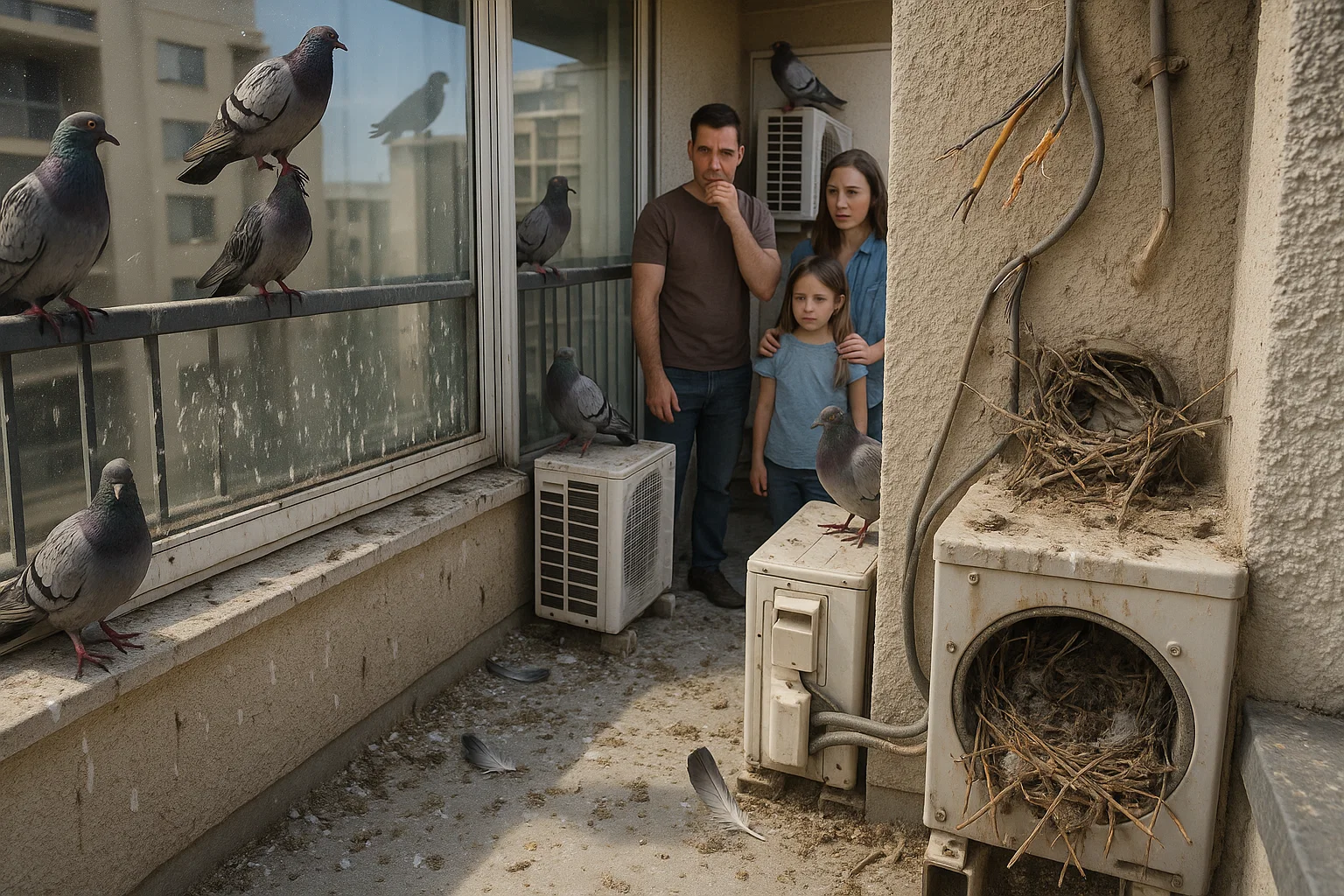
Bird droppings and nesting materials are not just unpleasant; they can be a major health hazard. Droppings often contain harmful bacteria, fungi, and parasites that may cause infections such as Histoplasmosis, Cryptococcosis, and Psittacosis. When the droppings dry, they turn into fine dust particles which can get airborne and easily inhaled, especially in balconies or windows where ventilation is limited.
Apart from serious diseases, bird feathers and droppings can also trigger allergies and worsen asthma symptoms in sensitive individuals. Another overlooked problem is the slip-and-fall risk. When droppings accumulate on floors, especially wet surfaces, they become slippery and dangerous for children, elders, and pets.
Structural and Property Damage
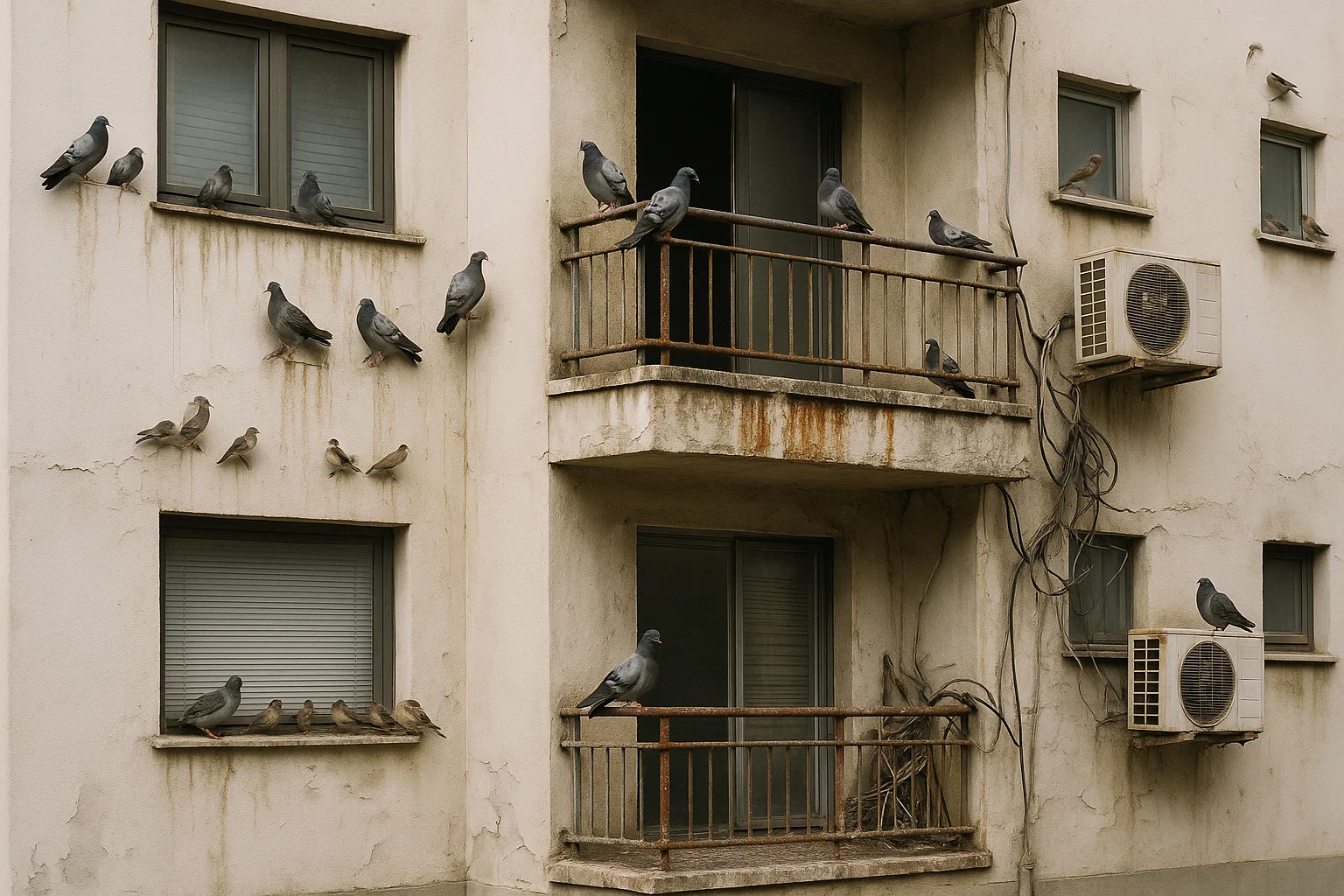
Birds do not just make areas dirty — they can also damage the building itself. Their droppings are acidic and can slowly corrode materials like paint, metal railings, balcony floors, window sills, and even concrete. Over time, these surfaces weaken, discolor, and require expensive repairs or repainting.
Nesting is another major issue. Birds often build nests in drainage pipes, AC vents, outdoor units, roof corners, and small gaps. These nests block water flow and ventilation, causing leaks, dampness, and water damage. In some cases, blocked vents or nesting near electrical equipment can become a potential fire hazard.
For apartment buildings, these small problems accumulate quickly and impact the long-term maintenance and safety of the property.
Nuisance and Reduced Living Comfort
Beyond health and structural issues, birds create everyday disturbances for residents. Constant cooing sounds, early morning noise, and fluttering wings can be irritating — especially for people working night shifts or families with small children.
Bird droppings on balconies, railings, furniture, and clothes make the whole area unhygienic and unusable. Many residents feel embarrassed to use their balconies for sitting, relaxing, or even drying clothes because of the constant mess.
The smell of droppings and the presence of feathers or nesting materials also reduce the overall aesthetic appeal of the apartment, making it look poorly maintained. This can even affect the property’s resale value or rental demand.
Attraction of Other Pests
Where birds nest, pests often follow. Leftover food crumbs, droppings, and nests attract rats, cockroaches, mites, flies, and other insects. These secondary pests create an even bigger sanitation problem inside and around apartments.
Blocked drainage due to nests can lead to stagnant water, which becomes a breeding ground for mosquitoes. This increases the risk of mosquito-borne diseases around residential buildings.
Why Apartments Are Especially Vulnerable
High-rise apartments offer birds plenty of safe spaces — balcony grills, ledges, AC units, roof corners, and gaps in structures. Once birds find a comfortable spot, they return repeatedly and build nests year after year. Because apartment buildings house many units in close proximity, bird infestation spreads quickly from one balcony to an entire wing or tower.
Most residents ignore the issue until it becomes severe. By the time they take action, nests have already grown, droppings have accumulated, and cleaning or repair work becomes much more complicated.
Conclusion
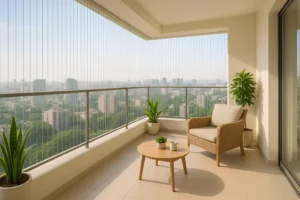
Birds may look peaceful from a distance, but in apartments they can cause health issues, hygiene problems, structural damage, and daily inconvenience. Taking preventive action—such as installing bird nets, invisible grills, or sealing nesting points—helps protect your home and ensures a cleaner, safer living environment.